 troytempest
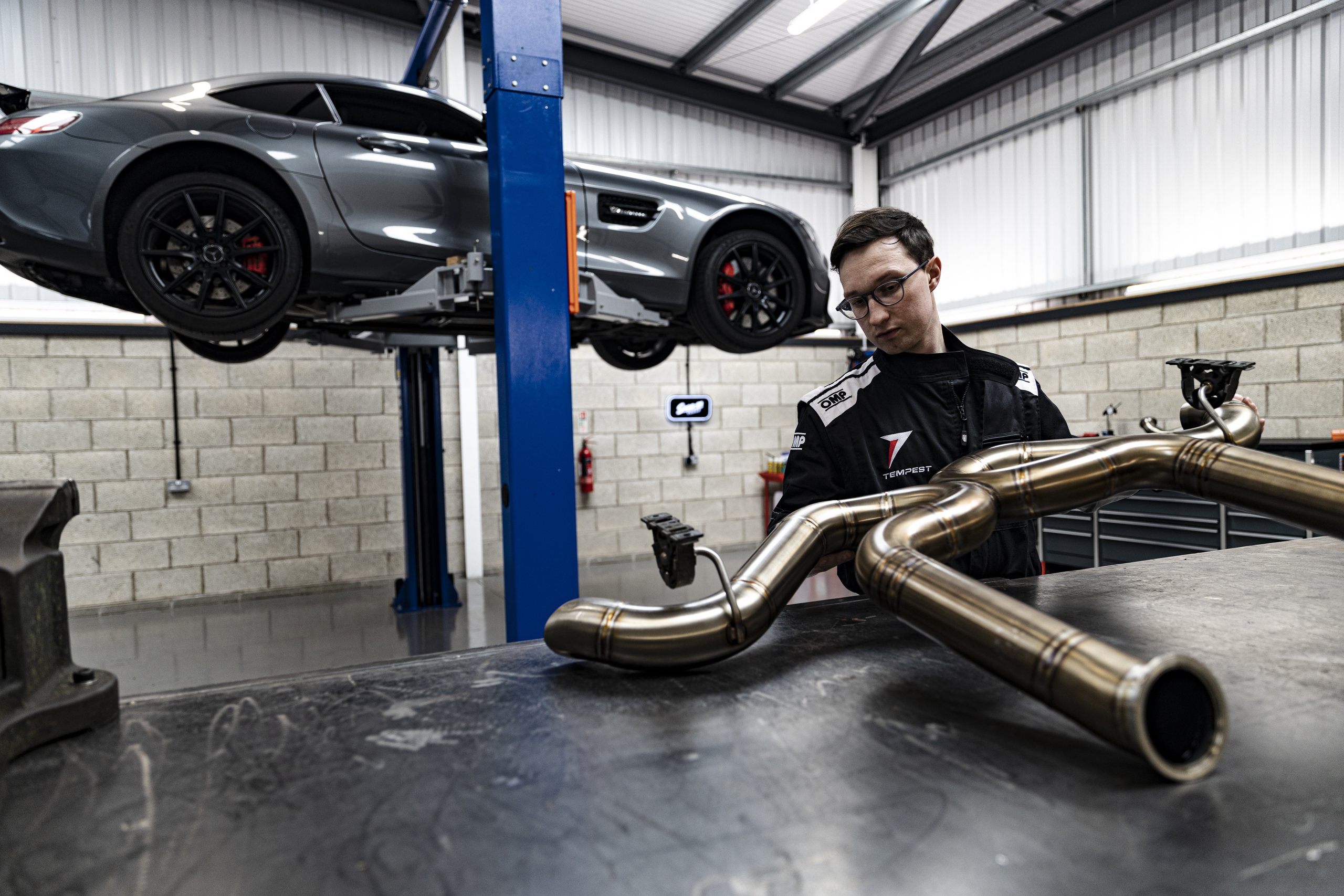
An engineer’s way of thinking, now focused on making AI work for business.
Understand the problem first, then build what actually solves it.
ScrollAbout Troy
Curious about how things work, and happiest building the thing that solves the problem.
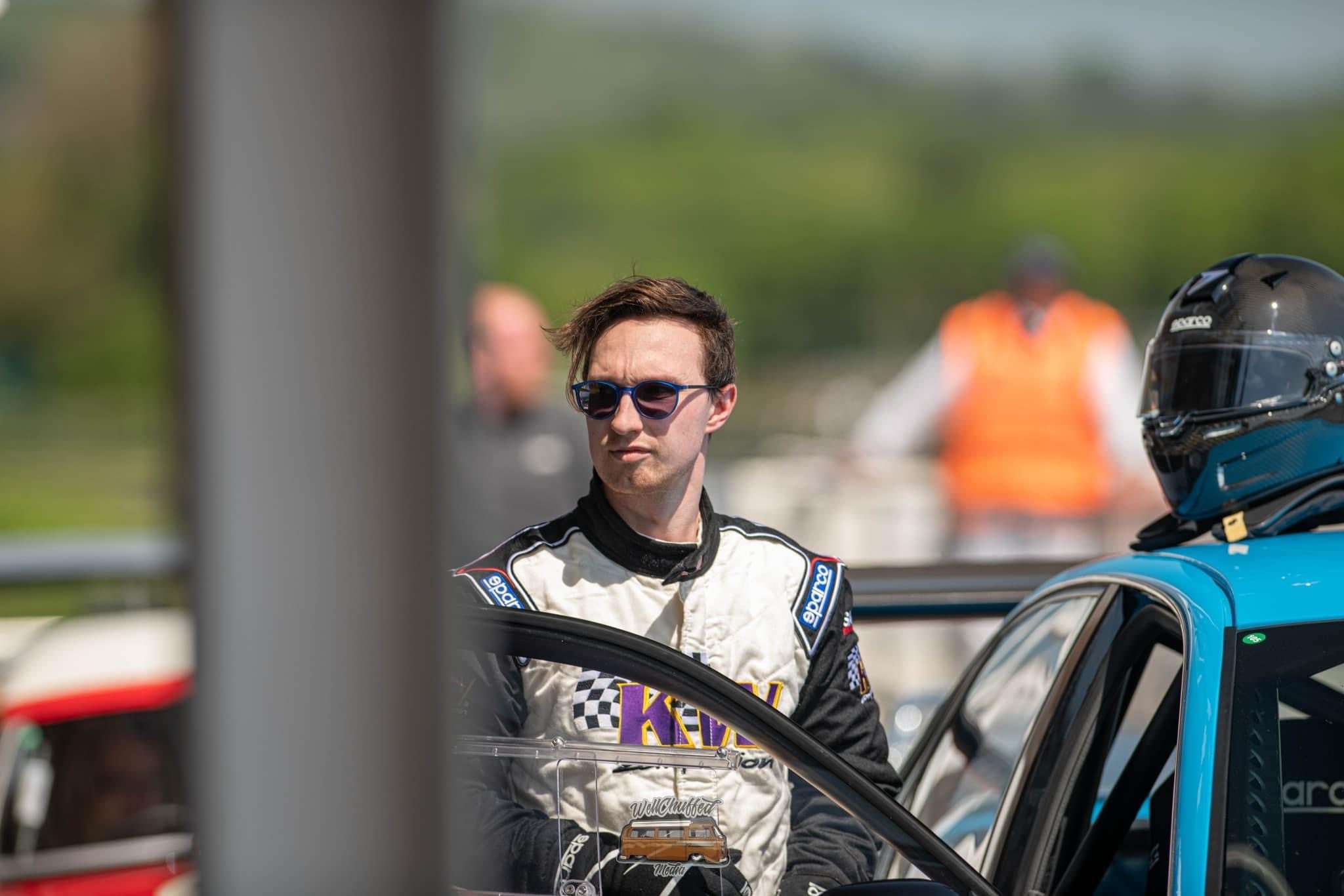
My career has taken me from customer service and retail, through engineering and motorsport, to consulting and AI.
The way things work has always interested me, and it has shaped how I learn. I was heavily exposed to cars in my youth, and my father is to blame for my petrol addiction. Through the 90s we always had great cars at home, from an Alfa Cloverleaf and a Saab Carlsson to numerous big-cat Jaguars. Power and speed were always present, so it was no surprise a career in cars and racing was somewhere down the line.
School didn't offer a route into engineering, so my early jobs were in customer service and food retail management. In 2012 I'd had enough of that and relocated to study Motorsport Engineering.
After my studies, I spent a number of years in the industry working for a VW specialist, where I restored cars from the ground up. I then started my own business, Tempest Performance, centred on high-performance packages for several key models in both the Audi and Mercedes-AMG ranges. I also designed bespoke parts, which were then produced through CNC machining and other fabrication processes such as TIG welding. During this period I also worked with motorsport teams as a data engineer and strategist.
In those years I built cars that produced over 1,000 bhp and helped racing teams win championships.
After years working hands-on, I was seeking a new challenge, and in 2024 I was given the opportunity to change careers and focus on business consultancy and AI. This is a new and very exciting area for me, as AI in particular fits very well with my engineering-based mindset, where understanding a client's business functions and requirements, and delivering a solution that solves a particular problem, is key.
AI consultancy: viability, inference economics and adoption.
Crypto market analysis and alerts for new and hobbyist traders.
Data analysis for sales and marketing excellence consulting to private equity, and identifying where AI could improve the firm and create opportunities for its clients.
High-performance packages for Audi and Mercedes-AMG models, and bespoke parts designed and manufactured in-house.
Car data and electrical systems, fuel and pit-stop strategy, including the British Endurance Championship title with Rob Boston Racing.
Making AI earn its place.
Designing, building and deploying AI systems across many sectors — with a particular focus on inference economics and what AI really costs a business.
AI caught my attention when I moved from working with vehicles into business consultancy. I was asked to work out how AI could improve the firm internally, and what opportunities it opened up for our clients.
I now build AI workflows across multiple technologies, not just business APIs, from MCP servers for trading data to modifying and generating CAD files for manufacturing.
ExamplesIf your agents really run your business, show me the inference economics.
When AI moves from a tool people use to infrastructure a business depends on, the business inherits a new exposure: to the price, quality and availability of the inference behind it, and to how hard that inference is to replace.
It's where my interest in markets and economics meets the practical work of putting AI into a business.
Cheap execution is not necessarily cheap operation.
The price of a token is an input. What matters is the cost of a reliable business outcome.
Failed runs still cost money, and so does human correction. A cheap model that needs repeated attempts can cost more per accepted result than a pricier one that gets it right first time.
Don't just ask whether AI can do the work. Ask what a reliable result costs, and what happens when the conditions change.
A business that only works under the conditions it was built in has shown it works today, not that it will hold up when prices, models or providers move.
Sales, data and AI for private equity.
My experience at Cortado Group, an American boutique consultancy delivering sales and marketing excellence to private equity firms and their portfolio companies.
As one of two people responsible for the firm's AI capability, my work spanned clients of all sizes, from technology and software to construction and healthcare, along with internal innovation in this area that benefited the consultancy itself.
Day to day, that combined designing and developing solutions with building workflows to accelerate sales, such as pipelines for prospect sourcing and target profiling for sales reps. I also helped on client engagements with AI workflows for enhanced data analysis and similar activities, and trained client teams on AI usage.
I was surprised how well the engineering mindset of planning, designing and building transferred, and it meant I could provide solutions quickly.
Sales acceleration
AI-powered research pipelines for prospecting, including contact persona data files.
AI on client engagements
Analysis across large structured and unstructured datasets, using AI to spot data issues in client-provided documents such as financial statements and evidence.
Training
Trained several teams on AI usage, primarily prompt-based workflows in tools such as ChatGPT and Claude.
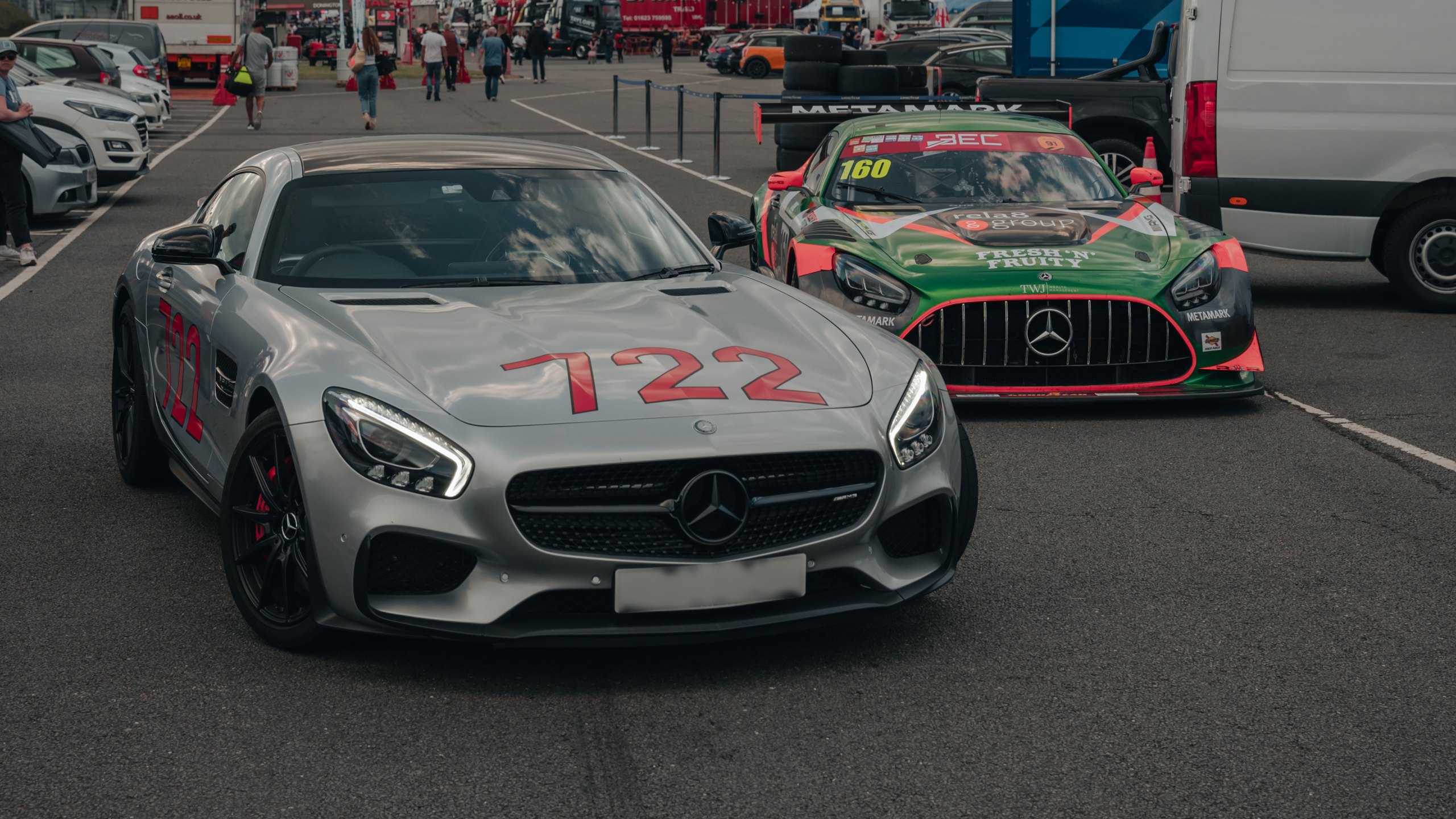
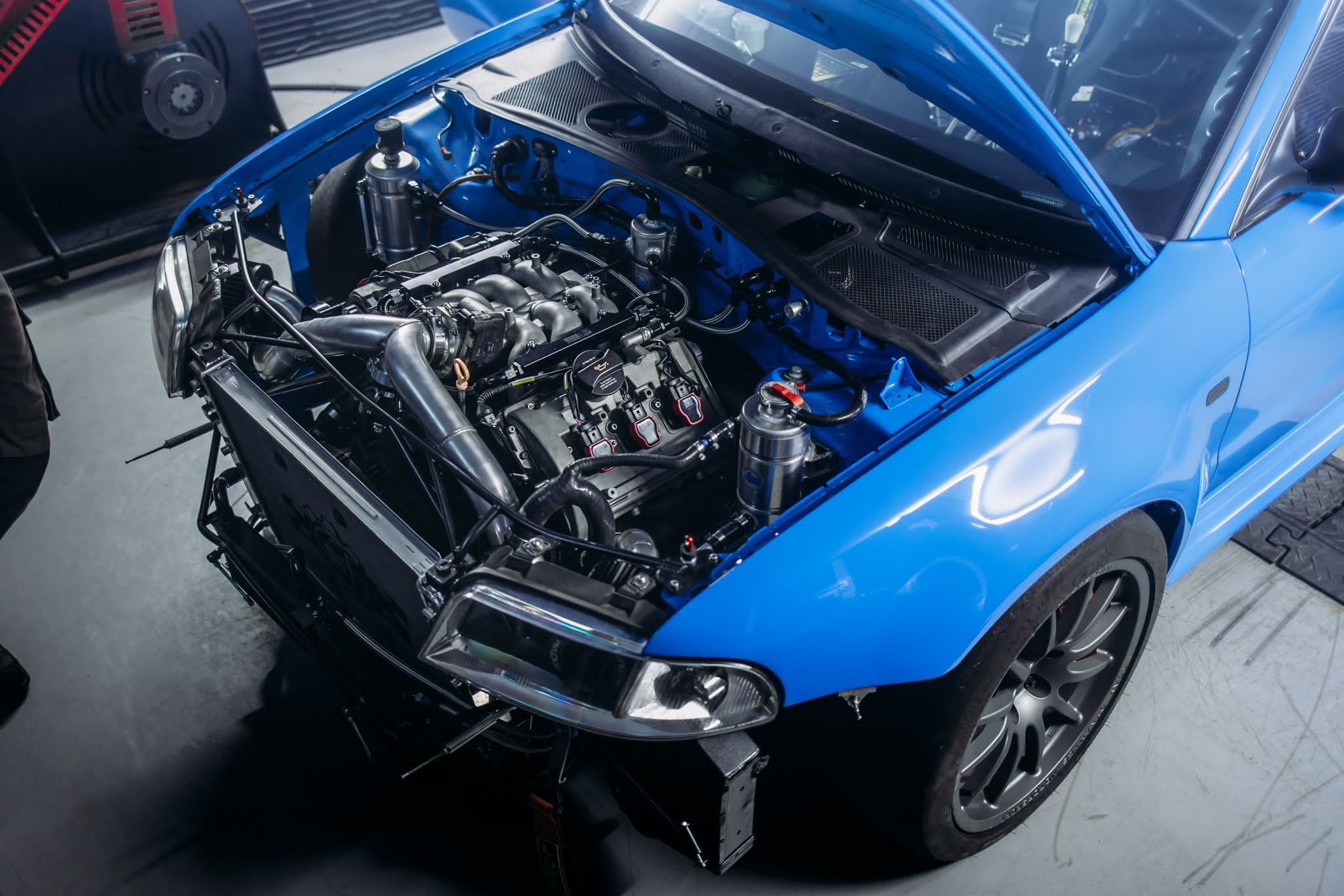
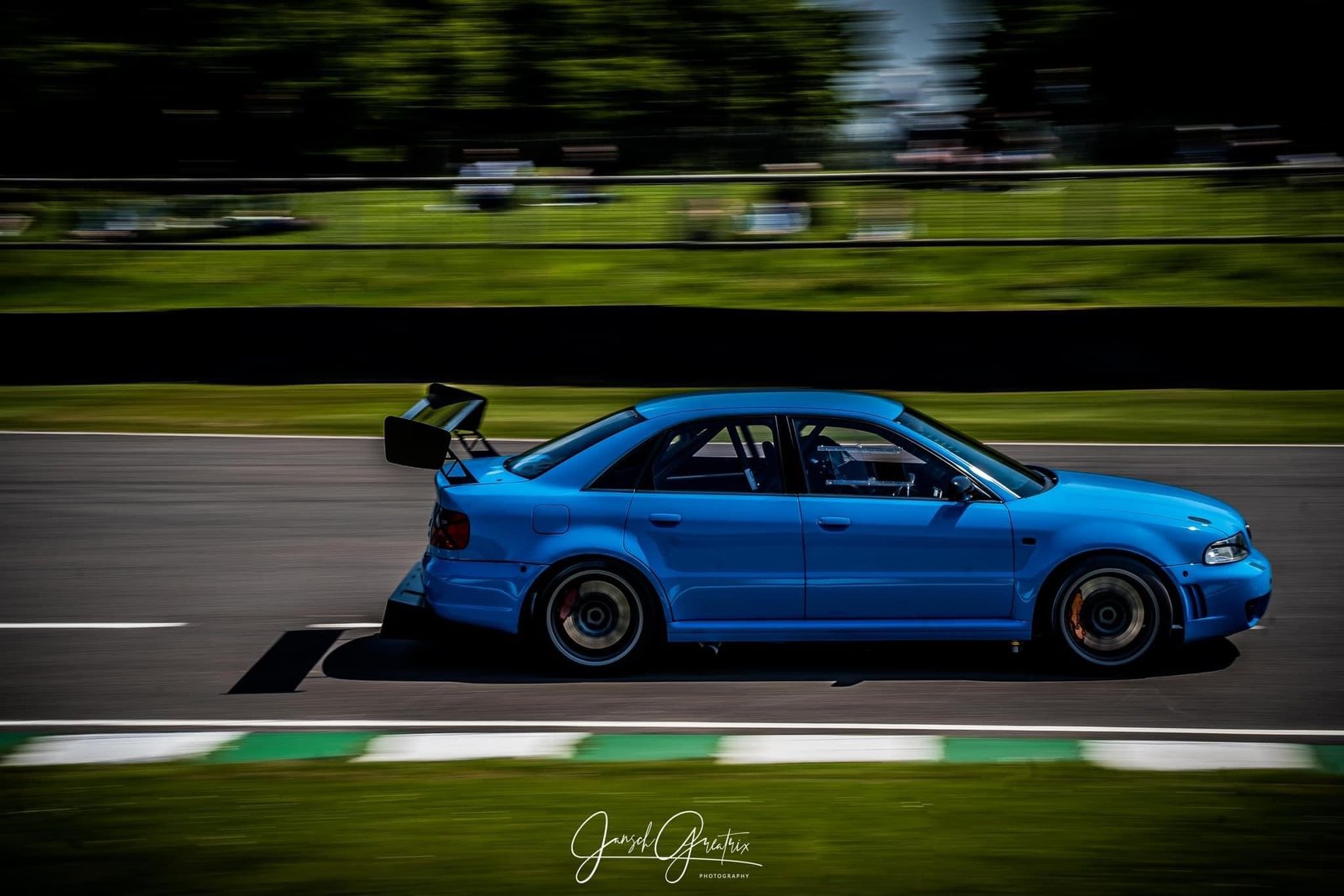
Road and race cars, over 1,000 bhp.
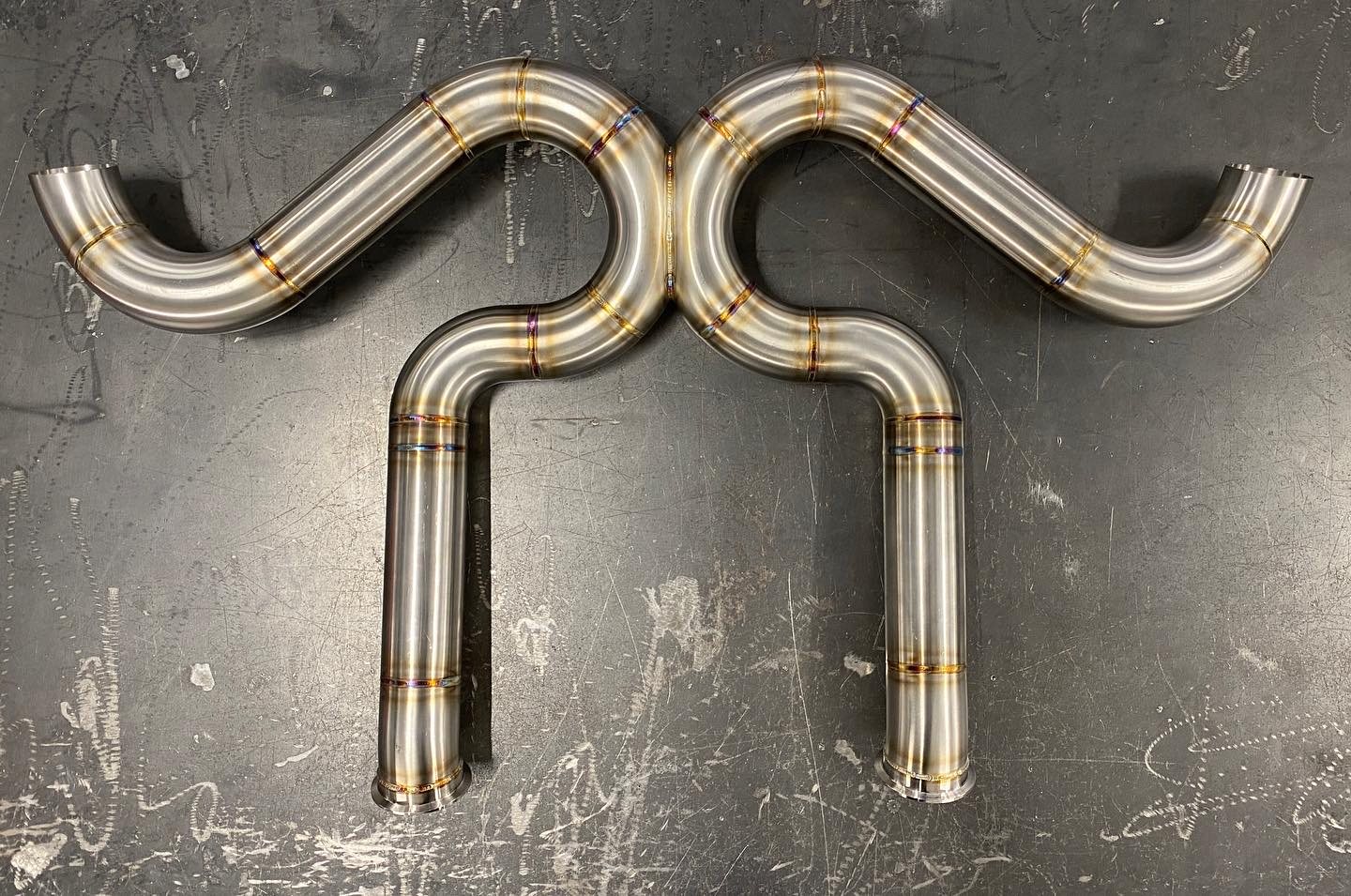
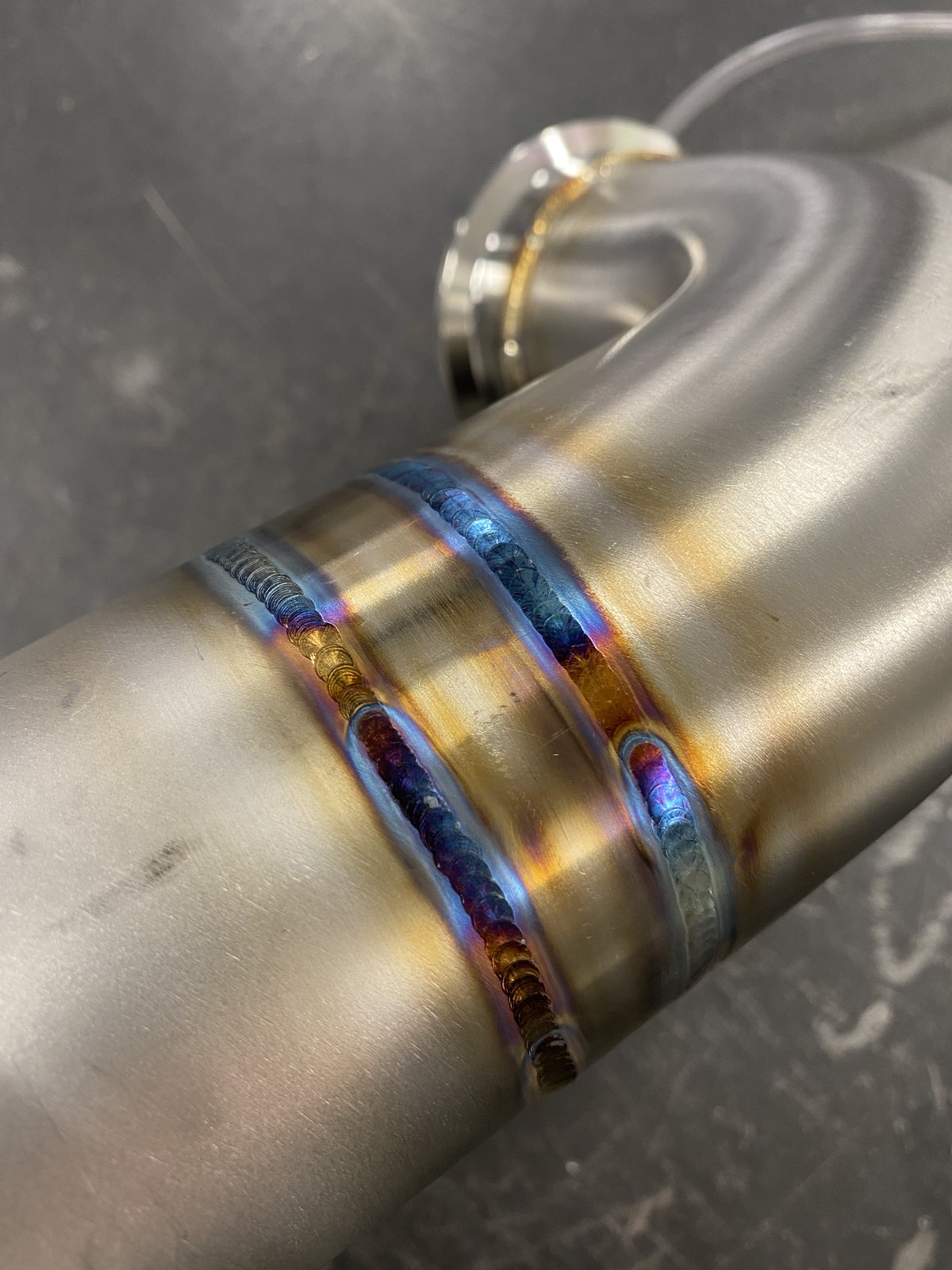
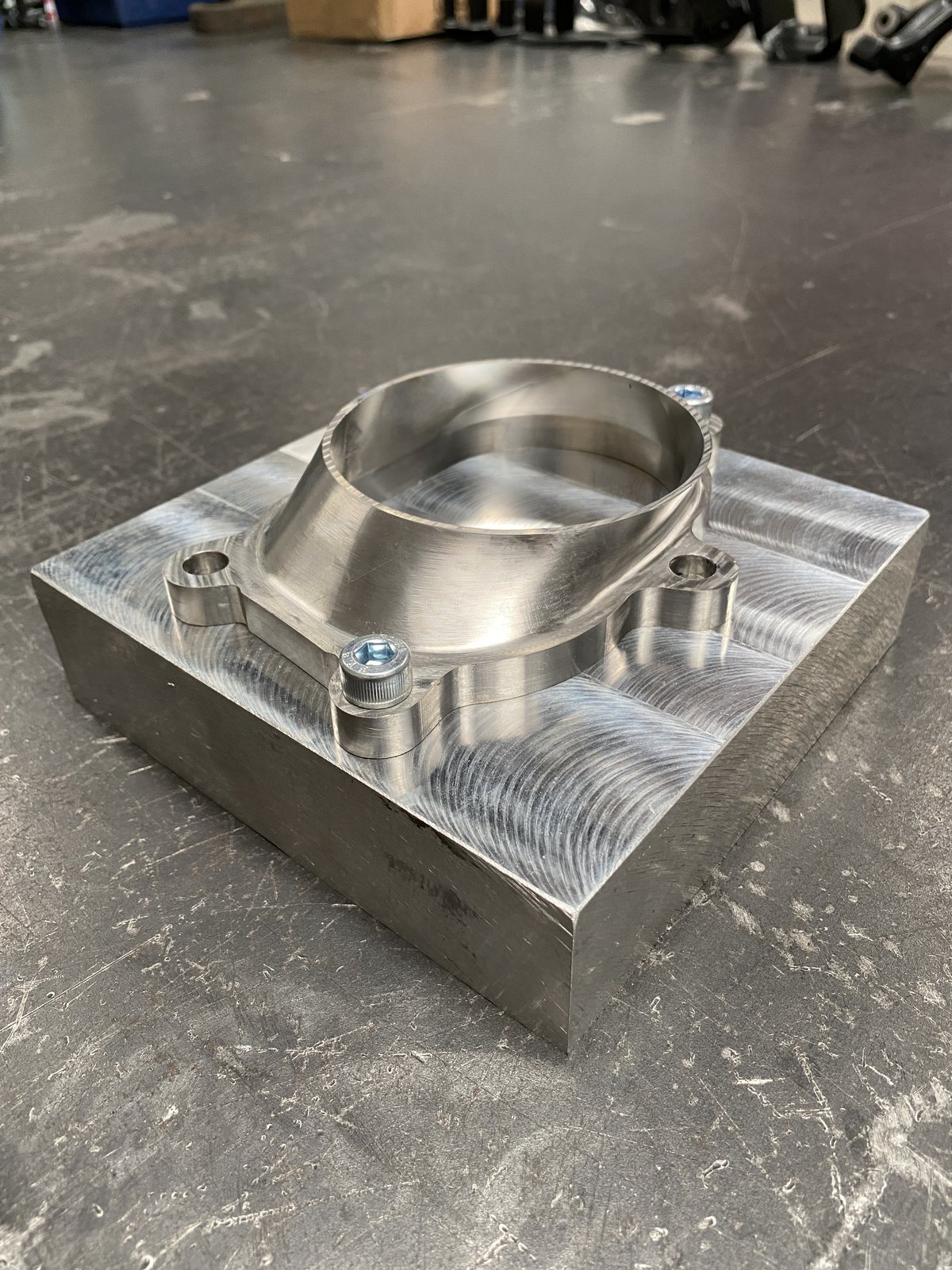
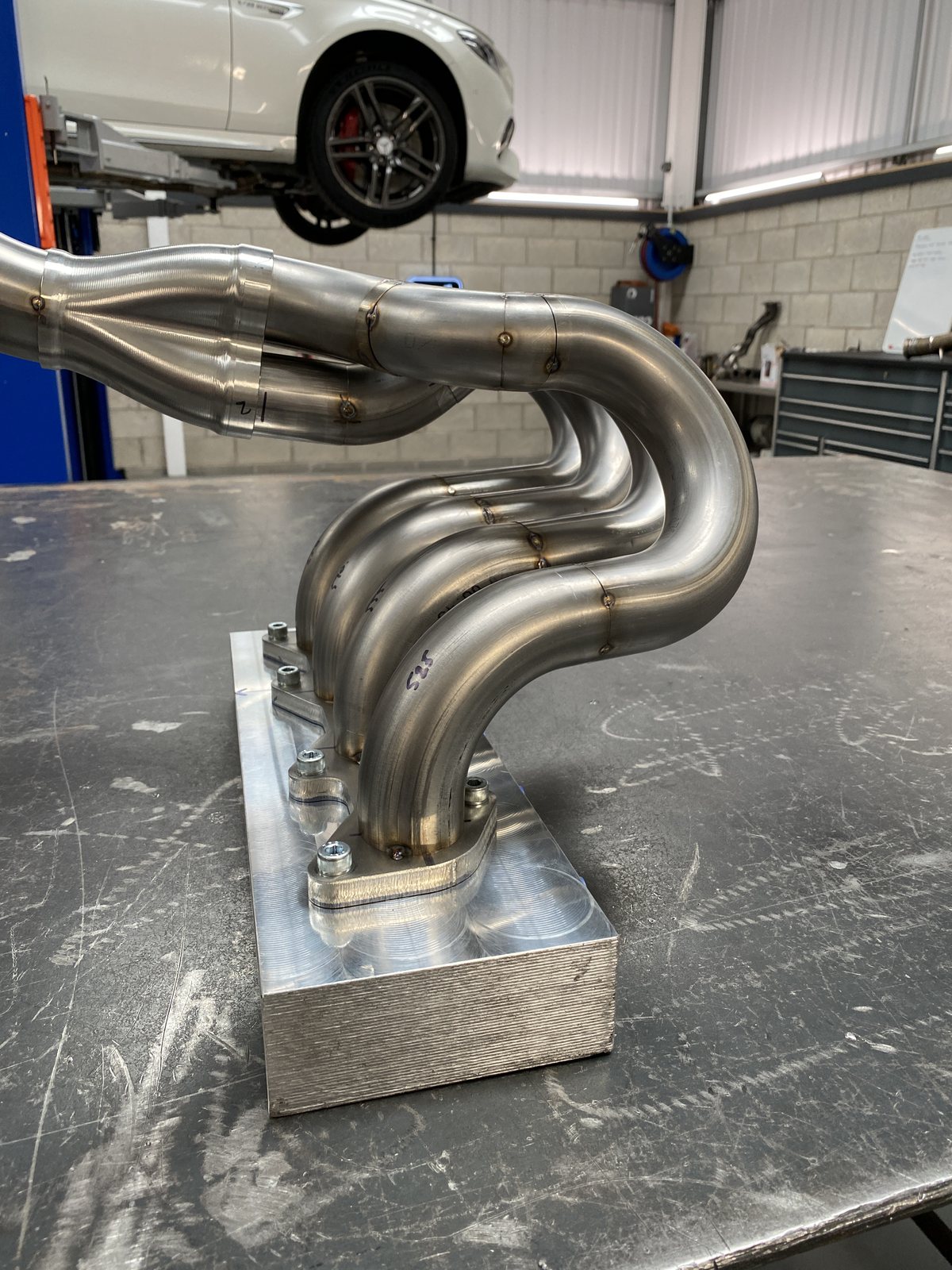
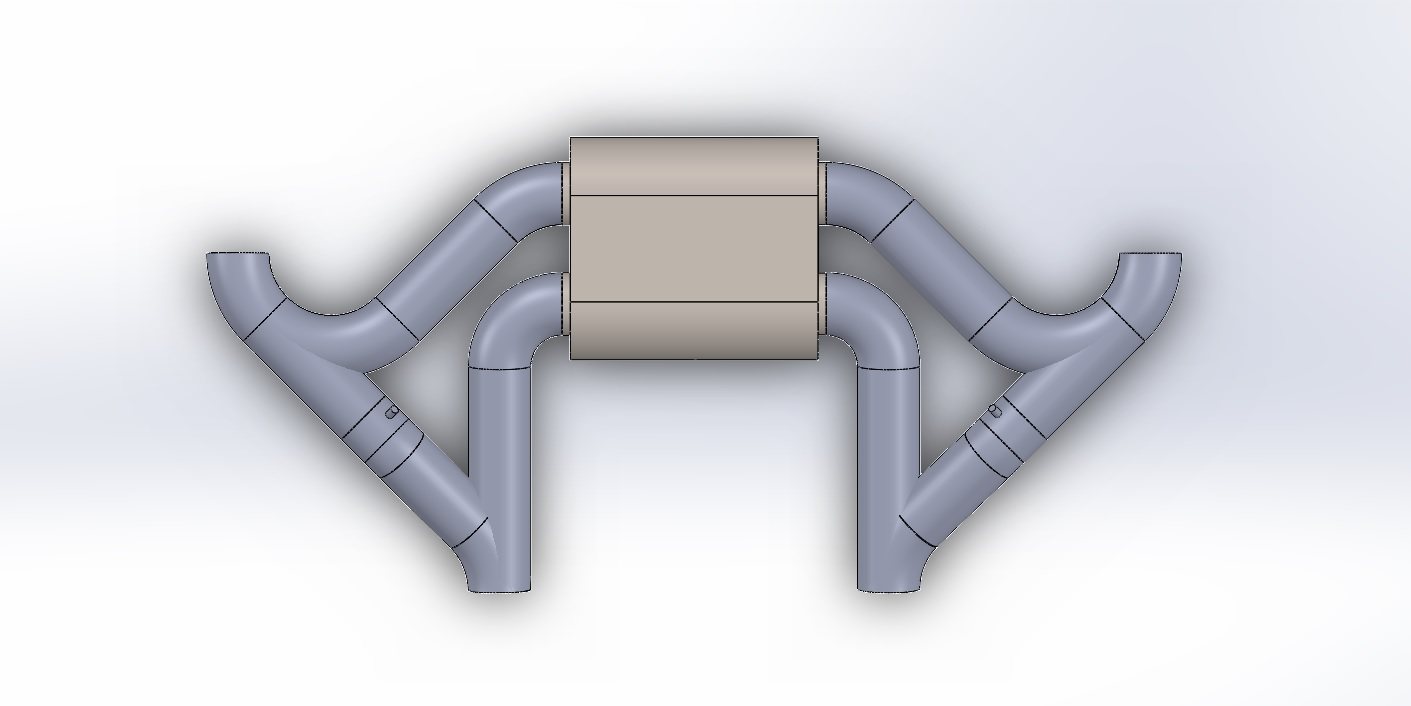
After studying Motorsport Engineering, I founded Tempest Performance — bespoke exhausts and components, from CAD model to precision TIG welding.
Most customers were performance road car owners, with some track-spec cars, focussed on the Audi RS6 and Mercedes-AMG GT.
The work covered the full range: CAD modelling, general fabrication, precision TIG welding in stainless steel and titanium, and day-to-day vehicle engineering and maintenance.
Engineering demands an analytical, detail-oriented mindset — and its practical application transfers into business far more readily than people think.
The strategy behind a championship.
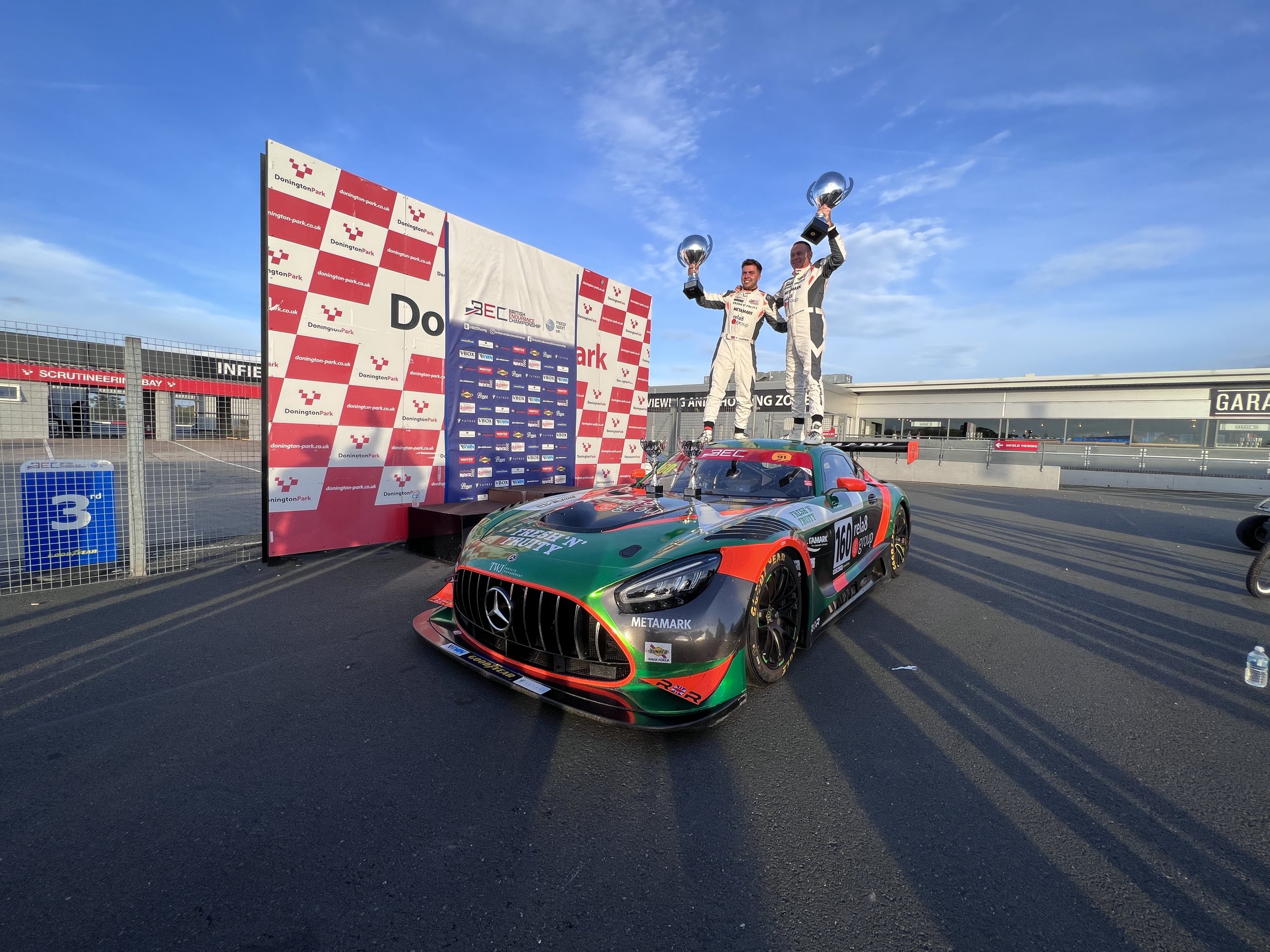
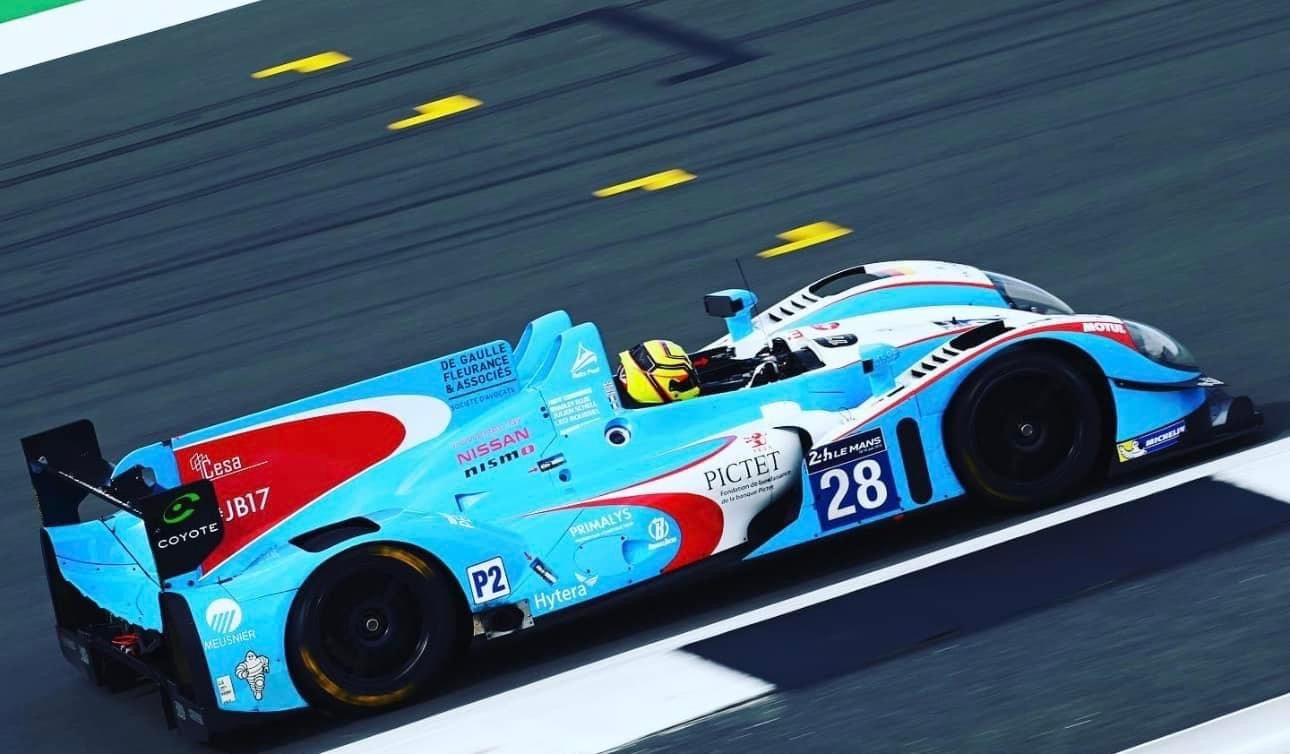
Data engineering and race strategy with several teams — including the BEC title with Rob Boston Racing in an AMG GT3.
A highlight was winning the British Endurance Championship with Rob Boston Racing, alongside driver-owner Wayne Marrs and pro driver Tom Jackson, in an AMG GT3.
Through that campaign I looked after the car's electrical and data systems, and planned and called fuel and pit-stop strategy with team owner Rob Boston.
I also worked with other classes, such as sports cars and Le Mans Prototypes, including an LMP2 car in Masters Endurance Legends.
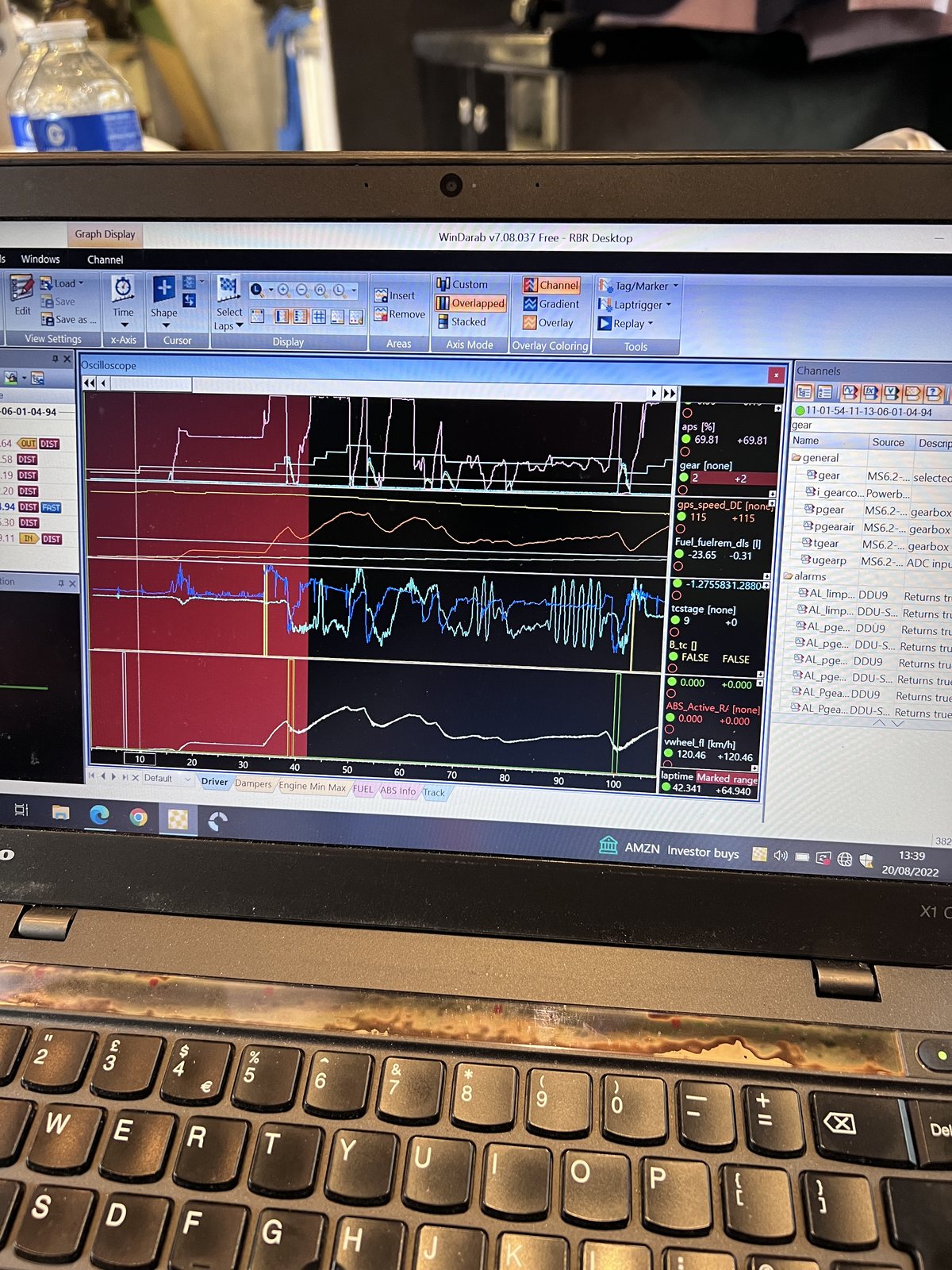
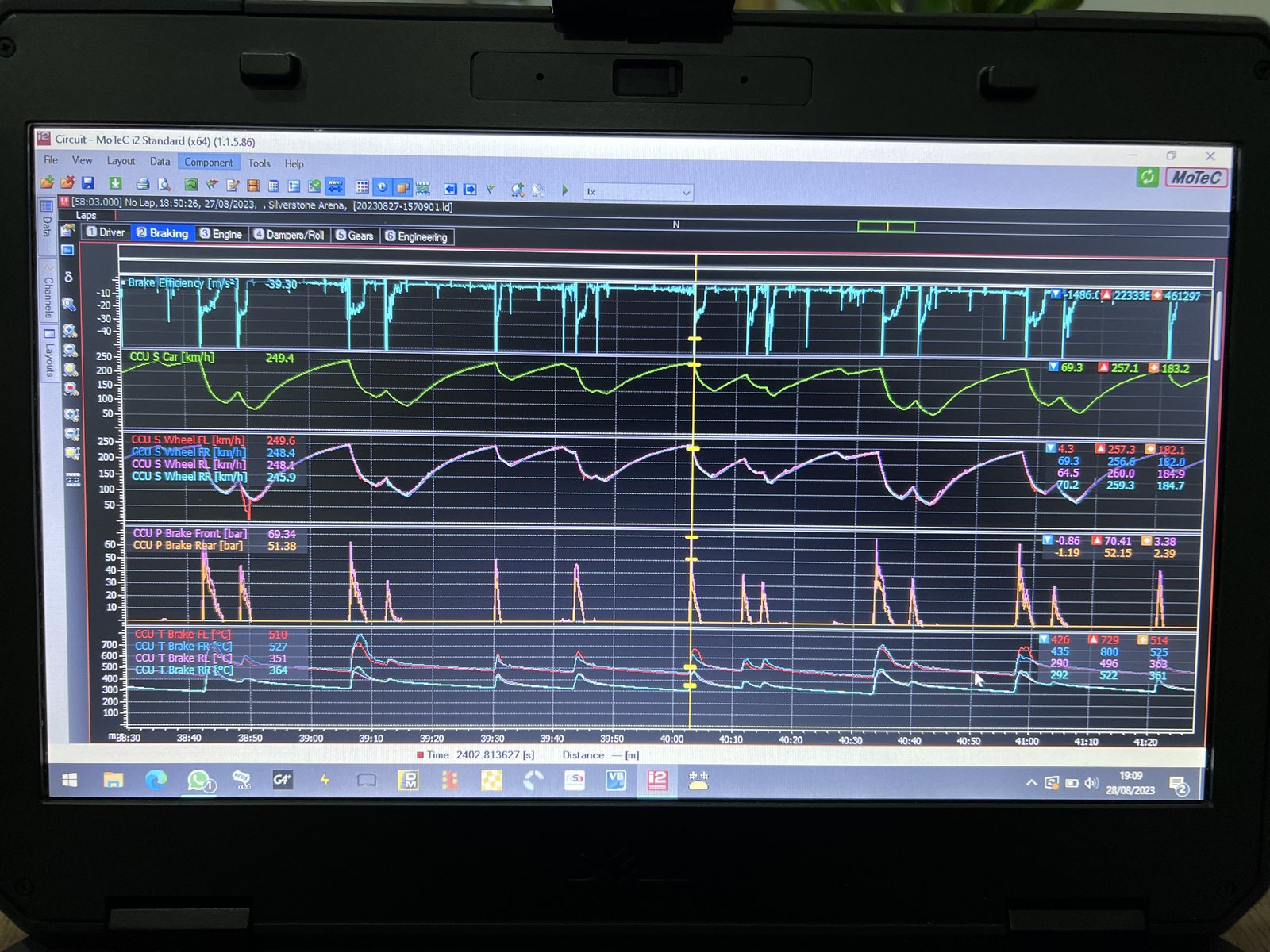
I worked directly with drivers, analysing the data from the car during their stints to help them find time and improve their driving.
Typically working with 40+ sensors across a race car, such as suspension height potentiometers, brake disc temperatures and accelerometers, I advised on the car set-up in order to help the driver extract the best from themselves and the car on race day.
Building Tellt.
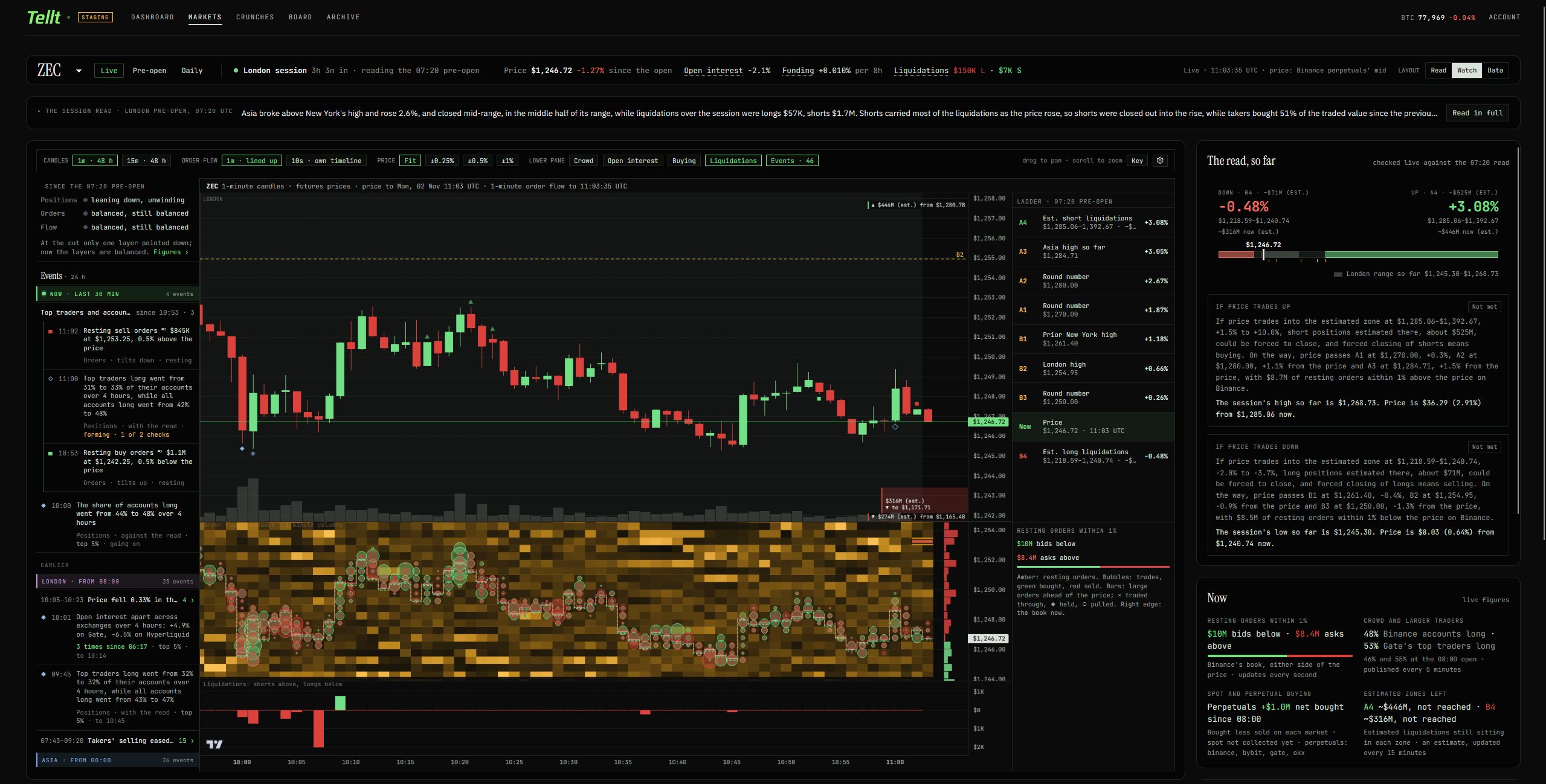
Founder and builder of Tellt — crypto market analysis and alerts that help newer traders prepare for each session and understand what's driving price.
I've always been drawn to markets, cryptocurrency in particular. I mined Bitcoin in its infancy, when a coin was worth cents, went on to build and run mining farms, and have held currencies for the long term.
Tellt grew out of what I learned trading. Before each market open, Tellt gathers positioning, order flow and futures data and turns it into a clear, readable picture of the session ahead. It's currently being finalised for beta release.
It isn't a signal service, and there's no influencer-style strategy education, just the information an informed trader needs, without having to watch dozens of inputs at once.
Three kinds of crunch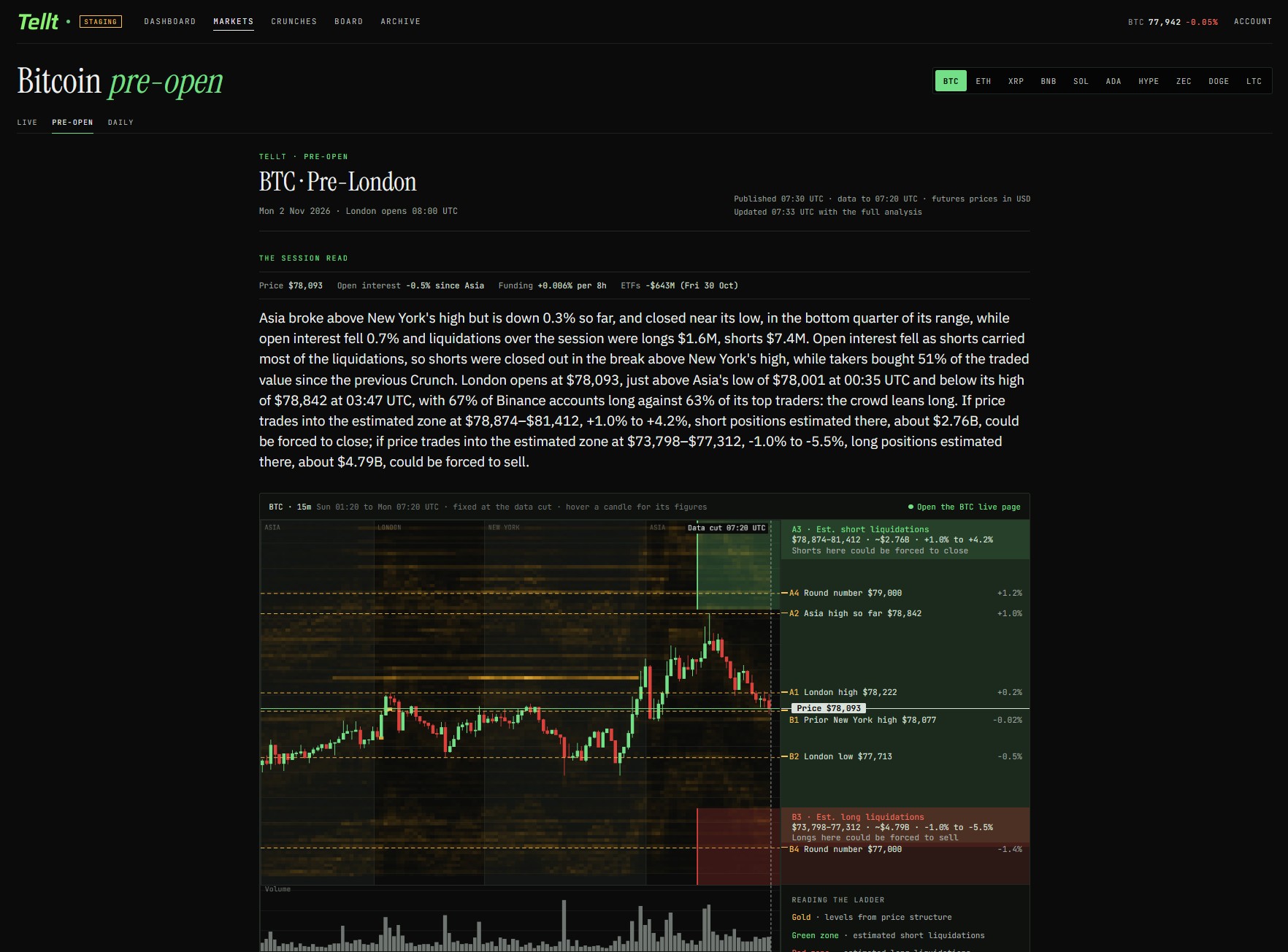
The same interest in markets that led to Tellt, from the building side.
For me, trading is less about taking positions and more about building code-based solutions for it: TradingView Pine Script indicators, exchange data collection and order-placement logic, strategy analysis tools and more.
 Mining
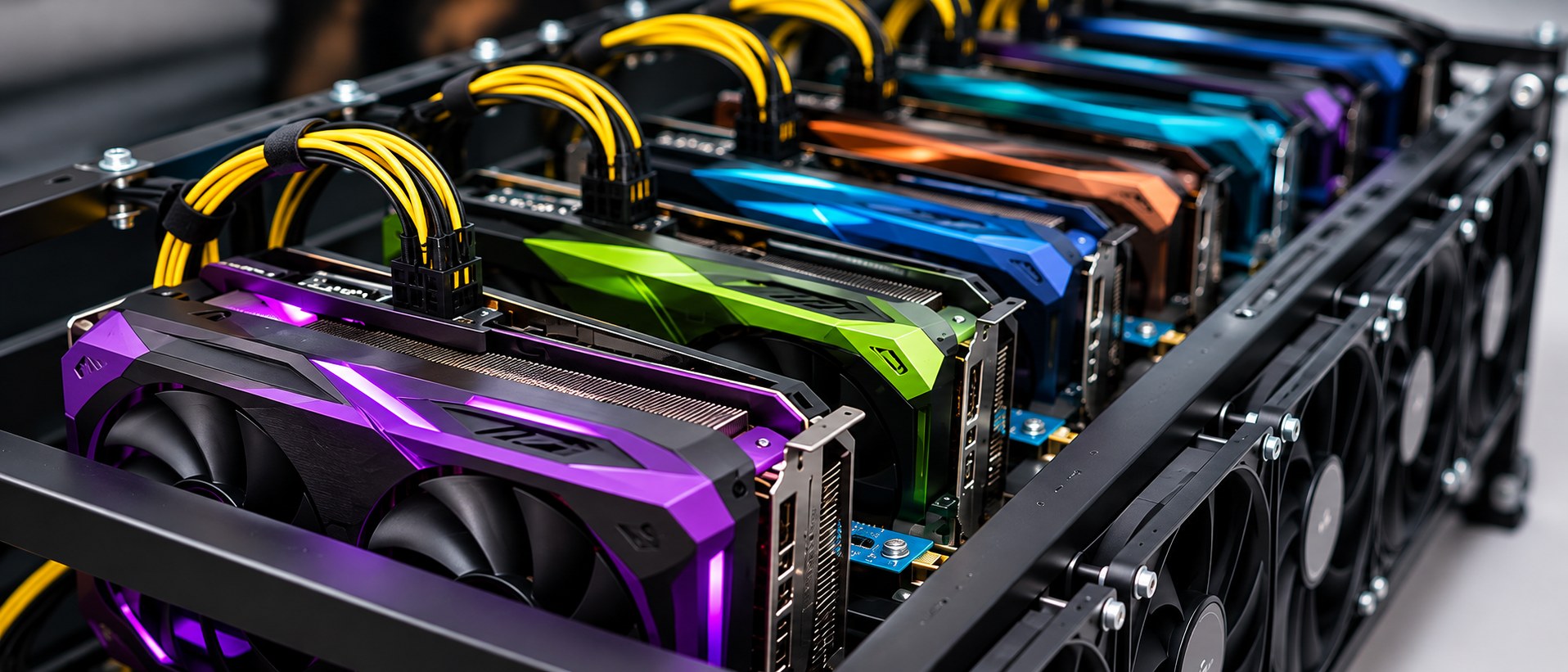
I started in the very early days, CPU mining Bitcoin, then moved on to a single GPU before expanding to farms of 20+ GPUs.
I built the rigs by hand and developed my own GPU performance-tuning profiles to optimise hash speed against power draw (TDP) for each card. I stopped once GPU mining became inefficient compared with ASIC clusters.